Mission Statement:
Beyond the Uniform exists for the person behind the uniform.
We are here to support serving personnel, veterans and former members of the Royal Navy, British Army and Royal Air Force, together with serving and former members of the Police, Fire and Rescue, and Ambulance Services.
These are men and women who have chosen careers built around serving, protecting and helping other people.
That service can come at a cost.
Military personnel and members of the emergency services can experience situations that most people will thankfully never encounter. They may witness death, serious injury, violence, disaster and human suffering. They can be required to make difficult decisions under enormous pressure and then be expected to carry on with their job.
For some people, the effects remain long after the incident itself has passed.
They can remain long after the shift has finished.
And sometimes they remain long after the uniform has come off for the final time.
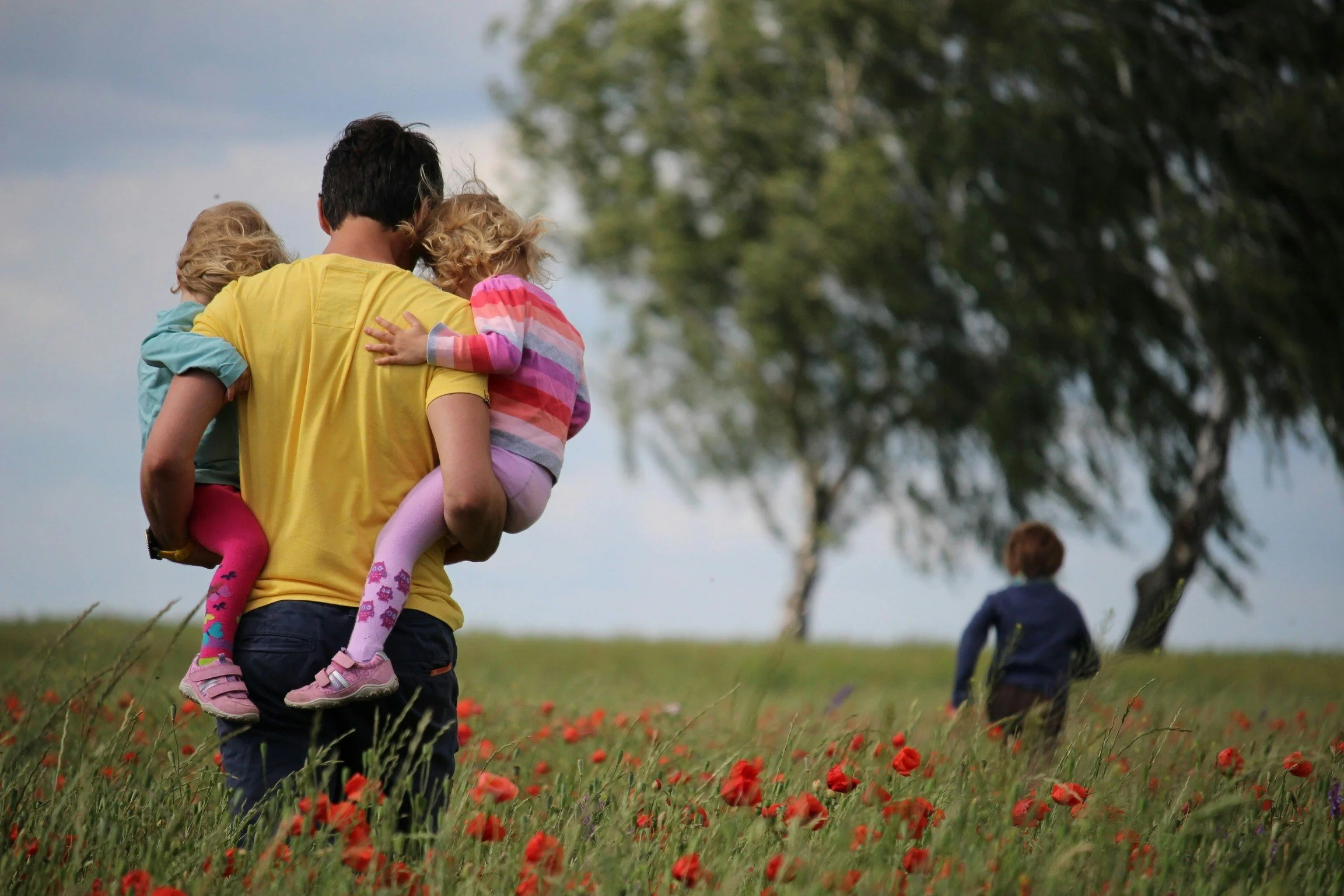
Supporting people living with trauma
One of the initial priorities of Beyond the Uniform will be supporting people affected by post-traumatic stress disorder (PTSD), trauma and the wider emotional and psychological effects of service.
Trauma does not always look the way people expect it to.
Someone may appear to be coping while privately struggling with anxiety, anger, depression, nightmares, disturbed sleep, isolation, relationship difficulties or simply finding everyday life increasingly difficult.
Asking for help can also be particularly difficult for people who have spent their careers being the ones other people turn to for help.
Beyond the Uniform wants to help remove that barrier.
We want people to be able to say, “I’m struggling,” without embarrassment, judgement or fear that they will be seen as weak.
Our role will be to listen, provide practical and peer support, and help people find the right professional services when those services are needed.
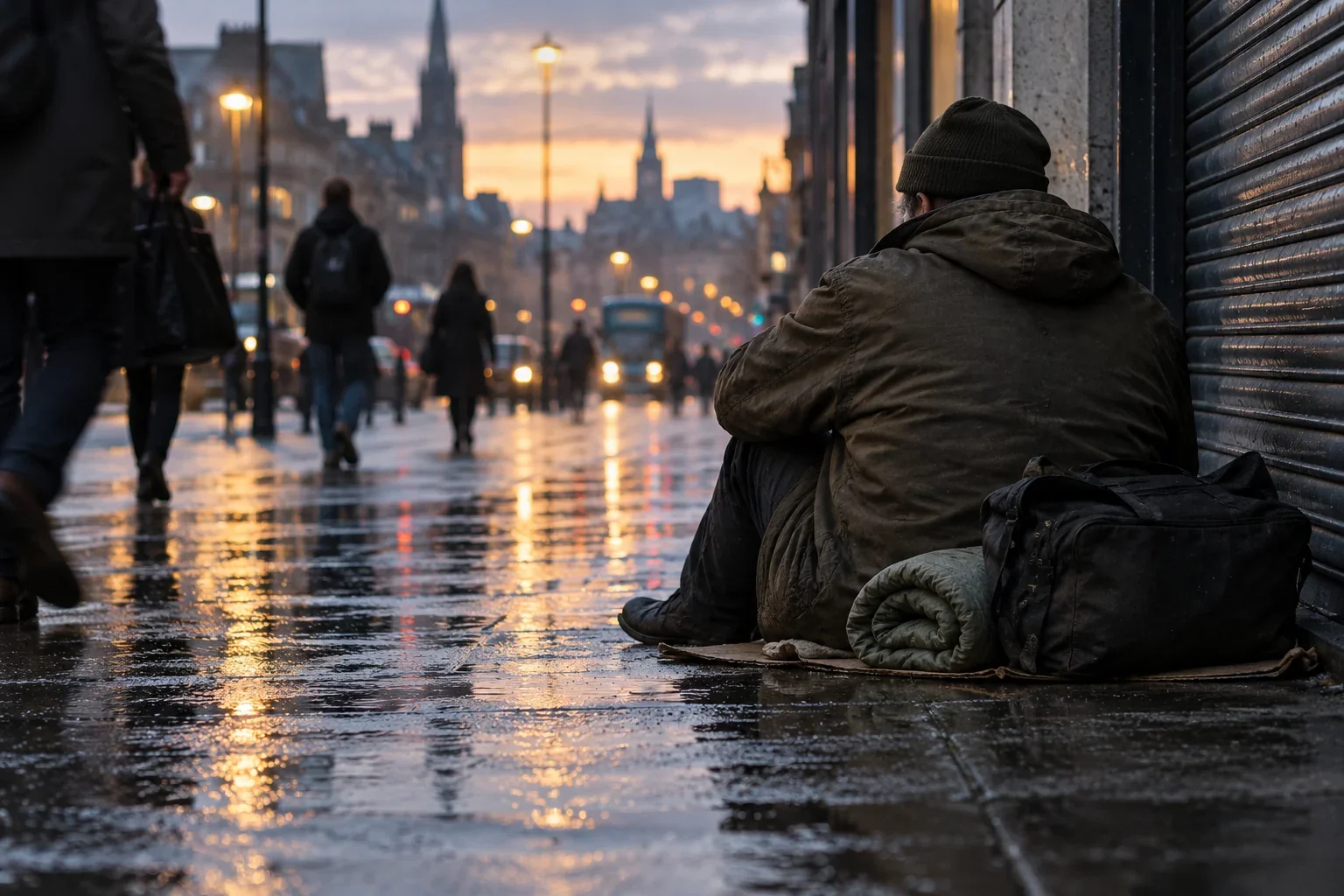
Tackling veteran homelessness
A second major priority is homelessness among former members of the Armed Forces.
Nobody who has served their country should find themselves sleeping in a doorway, on a pavement, in a car, in temporary accommodation or moving between sofas because they have nowhere safe to call home.
When someone reaches that position, their immediate needs have to come first.
Beyond the Uniform aims to help provide or arrange access to essentials such as food, clean clothing, footwear, bedding, toiletries, washing facilities and somewhere safe and secure to sleep.
But a sleeping bag and a meal do not solve homelessness.
They help somebody through tonight.
We want to help them change tomorrow.
That means understanding how that person became homeless in the first place and helping them deal with the practical barriers preventing them from rebuilding their life.
Where appropriate, this could include helping people access housing and accommodation services, benefits and financial support, identification documents, healthcare, mental health services, employment support, education, training and other specialist services.
We also want to work with councils, housing providers, veterans’ organisations, businesses, charities and community groups to help people move towards stable, long-term accommodation.
The objective is not simply to take somebody off the street.
It is to help them reach a point where they have safety, stability, dignity and a genuine place to call home.
Rebuilding lives
Beyond the Uniform will recognise that somebody’s difficulties rarely exist in isolation.
Poor mental health can contribute to losing employment. Losing employment can create financial difficulties. Financial difficulties can contribute to relationship breakdown or homelessness. Homelessness can make existing mental health difficulties considerably worse.
Breaking that cycle sometimes requires more than solving one immediate problem.
For that reason, our longer-term ambition is to provide a network of practical support around the individual.
Depending on their circumstances, that may include peer support, mentoring, welfare guidance, employment and training opportunities, help navigating existing services and opportunities to reconnect with other people who understand the culture and experiences of military and emergency service life.
Families matter too.
Trauma, transition from service, financial difficulties and homelessness do not affect only one person. Partners, children, parents and carers can also carry an enormous burden.
As Beyond the Uniform develops, we want families to know that they are part of the conversation and that they can also be guided towards appropriate support.
Working together
Beyond the Uniform does not intend to replace organisations already doing good work.
We want to work alongside them.
There are excellent charities, public services, healthcare professionals, veterans’ organisations and community groups across the country. Sometimes the problem is not that help does not exist. The problem is knowing where to find it, being able to access it and having someone alongside you while you do.
Where another organisation is better placed to provide specialist help, we will seek to connect people with that organisation.
The person seeking help should always remain more important than whose logo appears above the door.
Our purpose
Beyond the Uniform is ultimately built around a very simple principle.
People in our Armed Forces and emergency services spend their careers turning towards situations that most of us would instinctively move away from.
When they need help themselves, they deserve to know that somebody will turn towards them.
We want to help people regain stability, confidence, independence and hope.
We want to help someone living with trauma realise that asking for help is not weakness.
We want to help someone sleeping rough move from surviving one night at a time towards having a secure home and a future.
And above everything else, we want people who have served to know that their value did not disappear when they stopped wearing a uniform.
If you were prepared to stand up and serve when others needed you, you should not be forgotten when the day comes that you need someone standing beside you.